Nutrition
Lower Heart Disease Risk by 14% With This Simple Food Swap
Eggs and dairy might help, too.

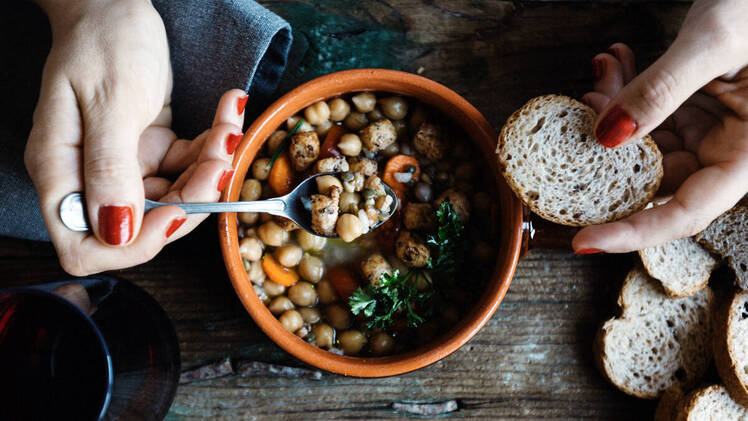
Are beans becoming the new steak? That’s probably a stretch, but replacing red meat with beans is not a bad idea. According to a study from the medical research journal The BMJ, eating more plant-based protein and less red meat may lower your risk of coronary heart disease.
Though all of the study participants were men, the findings are very likely to apply to women as well. Previous studies by The BMJ and other journals have demonstrated a link between red meat and heart disease regardless of gender.
We know what you may be thinking: this isn’t new science. Previous studies have already established the risks associated with high consumption of red meat. The BMJ study, however, differentiated between processed and unprocessed meat and analyzed healthy meat alternatives, making it easier for researchers to offer dietary recommendations.
Processed red meat isn’t the only problem.
Most of us know that processed meats should be a luxury and not a regularity because of their dangers. The nitrites in cured meats such as sausage, bacon, hot dogs, or salami, for example, can form carcinogenic nitrosamines when cooked at high temperatures. Cured meats are also notoriously high in salt, which can raise blood pressure.
As expected, The BMJ study showed that participants who had one serving of processed red meat per day were 15 percent more likely to develop coronary heart disease, placing them at the highest risk level out of all three study groups. However, cured meats were not the only problem. Participants who consumed fresh red meat (and no cured meat) were 11 percent more likely to develop heart disease. Those who ate a combination of fresh and cured red meat were at a 12 percent increased risk.
According to the research, red meat is likely to increase your risk for heart disease because it contains low-density lipoprotein (LDL) cholesterol, which is often considered “bad” cholesterol. Processed and unprocessed red meat also contains high levels of the chemical compound L-carnitine, which may promote atherosclerosis. Other studies have shown that the type of iron found in red meat, called heme iron, is associated with fatal heart disease and heart attacks.
The meat replacement is just as important.
Reducing your intake of red meat is a good first step, but it’s important to not stop there. Your meat replacement is just as important!
The BMJ study also demonstrated that one serving of plant proteins per day lowered the risk of heart disease by 14 percent. In fact, consumption of legumes, soy, nuts, and combinations of these plant proteins were each associated with a significantly lower risk of CHD.
Plant proteins like beans may lower your risk of CHD for a variety of reasons. When replacing red meat with beans, for instance, you are replacing saturated fat with polyunsaturated fat. Polyunsaturated fats are considered “healthy” fats because many of them are essential for brain function and cell growth. Adding more plant proteins in your diet would also increase your intake of fiber, antioxidants, polyphenols (such as flavonoid), and other important nutrients than can reduce your risk of CHD.
You may also benefit from replacing red meat with dairy products.
According to The BMJ, eating dairy products and whole grains instead of red meat may also lower the risk of heart disease. Whole milk, skim milk, yogurt, and cheese were each associated with a 10 to 20 percent lower risk of CHD when they were eaten in place of red meat. Eggs were also associated with a lower risk of heart disease when compared with red meat. However, further research is necessary to confirm that these findings on dairy apply to a wide variety of people.
Now is the perfect time to make the swap.
Conditions such as high blood pressure, diabetes, and cardiovascular disease increase your risk of hospitalization due to a Covid-19 infection. As a result, now might be the perfect time to make a switch in your diet and eat beans instead of red meat. You can also reduce your risk of developing diseases that put you in a high-risk category for Covid by consuming less fat, salt, and sugar.
Don’t let all of this scare you; it’s okay to eat red meat on special occasions! By eating a balanced diet full of legumes, healthy grains, veggies, and fruits, you should be good to go.