Food
8 Ways to Replace Salt With Herbs That Will Make Your Food Taste Amazing
Take your cooking up a notch.

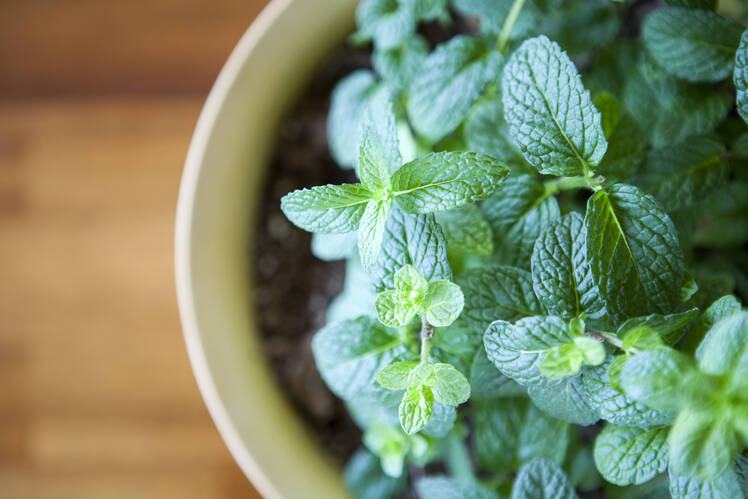
Adding the perfect amount of salt makes just about every dish taste better. On the other hand, the condiment is proof that too much of anything is never a good thing. For example, when your doctor shares that you have high blood pressure, it might be time to adjust how much salt you’re eating. Luckily, you can replace salt with herbs, which will not only help you reduce your salt intake — it’ll also give your favorite dishes a flavor boost!
How to Replace Salt With Herbs
Whether you are reducing your salt intake because of a health concern like high blood pressure or you’re just looking to spice up your cooking, using fresh herbs is a great first step. The best part is, not only do herbs like rosemary, sage, and thyme add depth and flavor to recipes, but they also provide additional nutritional benefits! Herbs contain powerful plant compounds called polyphenols that can help you fight aging, increase your immunity, and ward off cancer and other diseases.
Now, you don’t even have to trek out to the grocery store every time you want to use some fresh herbs in your cooking. Indoor herb and vegetable gardens are more popular than ever these days, as people are seeing the benefits of having instant access to fresh, pesticide-free produce. Here are some great “garden-to-table” ideas for using herbs to replace salt from Rise Gardens food editor, Jamie Crain.
Mint — Add it in to salads and pastas for a refreshing zing.
Chives/Green Onions — Sprinkle them onto eggs, salads, soups, potatoes, fish, chicken, and casseroles.
Basil — Blend it into pesto, marinades, salad dressings, and sauced or toss some on top of salads and sandwiches.
Rosemary — Top meat, breads, pizza, sauces, and potatoes with it before roasting or grilling.
Cilantro — Mince it into salads, soups, salsas, tacos, and chicken dishes.
Dill — Serve it with omelettes, seafood, potato salads, and cucumber dishes.
Oregano — Add it to marinades and sauces or sprinkle it on top of eggs, breads, and salad.
Thyme — Throw a few sprigs in to cook with slow-cooked or roasted meals, casseroles and gratins, chicken, and roasted vegetables.
Using your indoor Rise Garden makes it easy to always have what ever herbs you need on hand to flavor any dish! We hope these suggestions help you take your cooking to the next level. Here’s to healthy kitchen habits!