Exclusive
Fitness Trainer Liz Tenuto Shares Somatic Exercises to Help Women Manage Stress and Sleep Better (Exclusive)

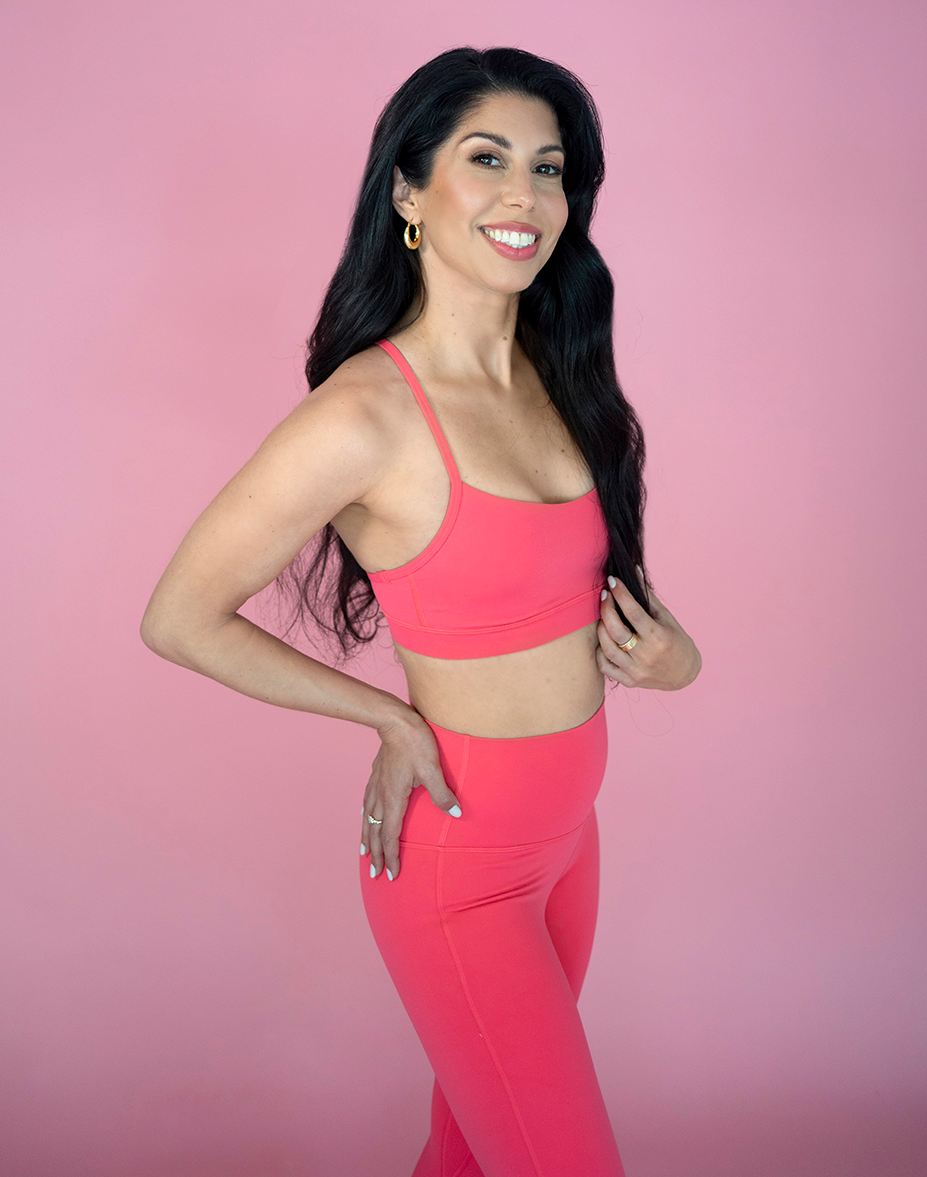
Somatics has changed fitness instructor Liz Tenuto‘s life, and she is now hoping to share that practice with other women!
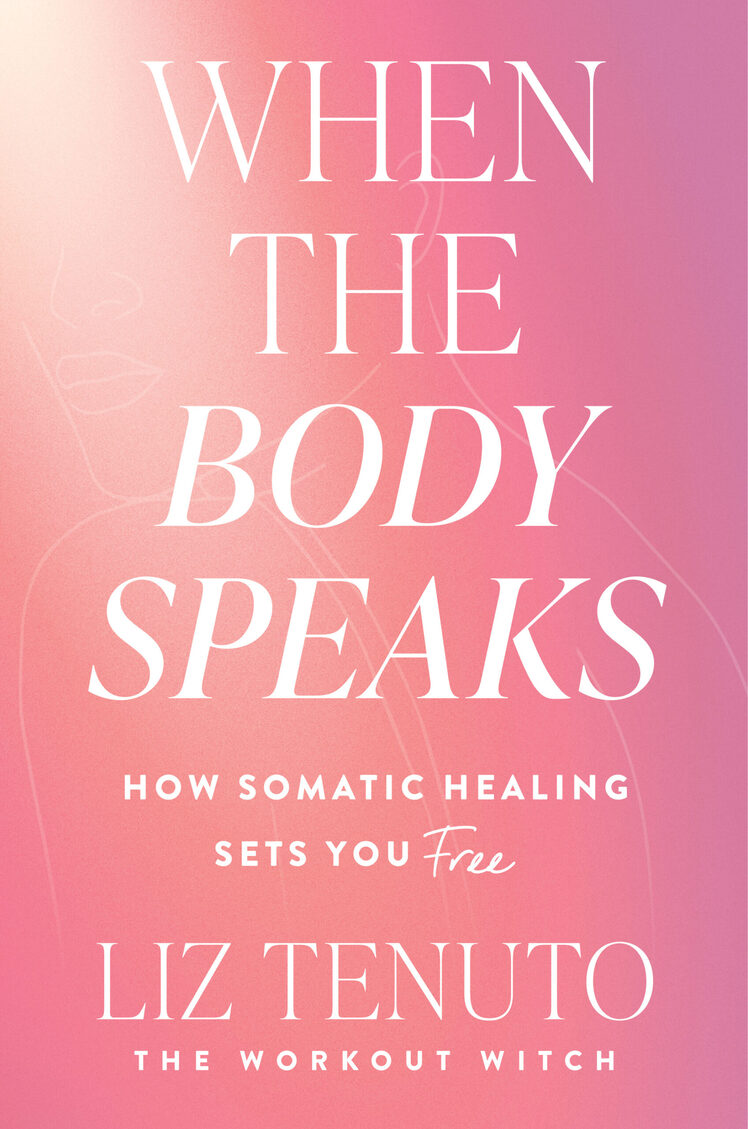
In an exclusive interview with First for Women, ahead of the Tuesday, April 7 release of her book When the Body Speaks: How Somatic Healing Sets You Free, Tenuto, aka “The Workout Witch,” breaks down what somatics really means and the somatic exercises people can use to relieve stress and improve their sleep. Additionally, Tenuto reveals some other hacks that can be helpful for anxiety.
Tenuto herself experienced abuse as both a child and an adult, and she credits somatics with helping her relieve chronic pain, anxiety, and insomnia.
For those who are unaware, what can you tell us about somatics? How can this approach help benefit women as they get older? Is this approach helpful for women approaching menopause?
LT: “Soma” is the Greek word for body. Somatic exercises are literally tiny, micro-movements you can do in bed or on the floor that release stress, tension, and trauma out of your body, and regulate your nervous system.
They’re helpful for women approaching menopause because during menopause, women have an increased sensitivity to stress.
Many people see anxiety, burnout, and chronic tension as personal weaknesses. How do you explain these experiences as the body’s protective response to unresolved stress?
LT: Anxiety, burnout and chronic tension aren’t your fault! They’re signs that your body has been working overtime to protect you.
When stress goes unresolved, your nervous system stays on alert, trying to anticipate and prevent further overwhelm. Over time, that can feel like anxiety, exhaustion, or constant tightness in your body.
These responses aren’t weaknesses; they’re adaptive patterns your body learned to try to prevent you from experiencing more stress. Healing starts when you begin to work with those responses, rather than judging them.
If someone is experiencing persistent anxiety or burnout, what small daily somatic practices would you recommend to help retrain the body toward regulation and resilience?
LT: Pull on your ears with medium to firm pressure for about a minute. Pull the right ear, and then the left, walking up and down your ears.
Let yourself yawn as you do it. Ask yourself, “How relaxed can my jaw be as I do this?”
This exercise gently stimulates the vagus nerve, which helps shift your body out of anxiety and gives you some natural energy.
For people who are new to body-based practices, what is one somatic exercise they can do in under two minutes to quickly release tension or shift their energy?
LT: Take your first finger on your right hand and place it in between your eyebrows. Swipe up along your forehead to your hairline with medium-firm pressure. Repeat for 1 minute.
Ask yourself: “How unclenched can my belly be as I do this? Can the hand on my leg soften? How relaxed can my toes be as I do this?”
This exercise relaxes a cranial nerve that runs into your brainstem, so you’ll instantly feel more relaxed after doing this, like an instant relaxation of your fight-or-flight response.
Sleep is often disrupted when the nervous system stays in a state of alert. What techniques can help the body transition into the safety and relaxation needed for better sleep?
LT: Before you go to bed, you’ll roll onto your stomach, bring your hands overhead, and rest your forehead on your hands. From there, you’ll rock your hips side to side, right to left, at a medium speed.
As you’re rocking, you can ask yourself, “How lazy and unambitious can I be as I do this movement?”
You’ll continue the side-to-side rocking for about a minute. When you finish, you’ll pause and then slowly roll over onto your back. You may feel lighter and more relaxed after doing this exercise.
The rhythm of the rocking is not only soothing for your body, it also uses bilateral stimulation to activate your parasympathetic nervous system, which is the state of rest and digest, making it a great exercise to do before you sleep.
Besides somatics, what are some other hacks to help relieve anxiety, burnout, and stress? In what ways do these issues affect women that we may not realize?
LT: Eating something sour will instantly get you out of a panicked or anxious state.
Lying on the floor and letting gravity hold you may sound depressing, but it actually feels like the safest hug when you’re overwhelmed.
What’s often overlooked is how anxiety and burnout show up in women as over-functioning (being highly capable on the outside while feeling exhausted, tense, or numb underneath). Many women don’t recognize their stress because it’s been normalized as productivity or responsibility.
This disconnect can make it harder to ask for help or even realize how overwhelmed they truly are. So, just because many women are successful on the outside doesn’t mean they’re not exhausted and anxious underneath.