Health
‘Miracle on the Hudson’ Pilot Chesley ‘Sully’ Sullenberger Reveals Early Signs of Alzheimer’s Diagnosis


In the first interview since revealing his diagnosis in July, Captain Chesley “Sully” Sullenberger III is breaking his silence on his battle with Alzheimer’s Disease.
Sullenberger, 75, and his wife, Lorrie, sat down with Good Morning America‘s Robin Roberts in an interview published on Wednesday, September 23, where they spoke about how he’s approaching this next chapter.
“Oh yeah, I’ve gone through harder things than this before,” Sullenberger said when Roberts, 65, asked whether he draws strength from the 2009 emergency landing. Dubbed “Miracle on the Hudson,” Sullenberger and first officer Jeff Skiles saved 155 lives after successfully landing an Airbus A320 on the Hudson River after a bird strike disabled both engines shortly after takeoff.
“You have to devise a plan, execute that plan flawlessly for the first time, never having done that before, and save every life in 208 seconds,” he continued. “Had even one person not survived, I would have considered it a tragic failure I would have felt deeply for the rest of my life.”
“So I think we’re doing the same thing here,” Sullenberger added. “We’re focusing clearly on the highest-priority items first, and we are ignoring everything we don’t have time to do as being only distractions and unimportant.”
The pair also touched on the early warning signs they say others should look out for, which Lorrie, 68, told Roberts is whatever is “unusual for your person.”

Detailing some of the changes that first made him realize something was wrong, Sullengberger added: “One of the first things I noticed was that it was harder and harder to remember people’s names, even people we knew.”
He continued, “That’s still an issue. Just forgetting things that I normally wouldn’t. Or repeating myself, not realizing that I just said that an hour ago.”
According to the Alzheimer’s Association, the disease, which is the most common form of dementia, impacts memory, thinking and behavior. And while there is no cure, getting an early diagnosis is something Sullenberger called “critically important.”
“If you have doubts, get tested. Because the sooner you act, the more options there are,” Sullenberger, who was first diagnosed with the disease in August 2025, stressed.
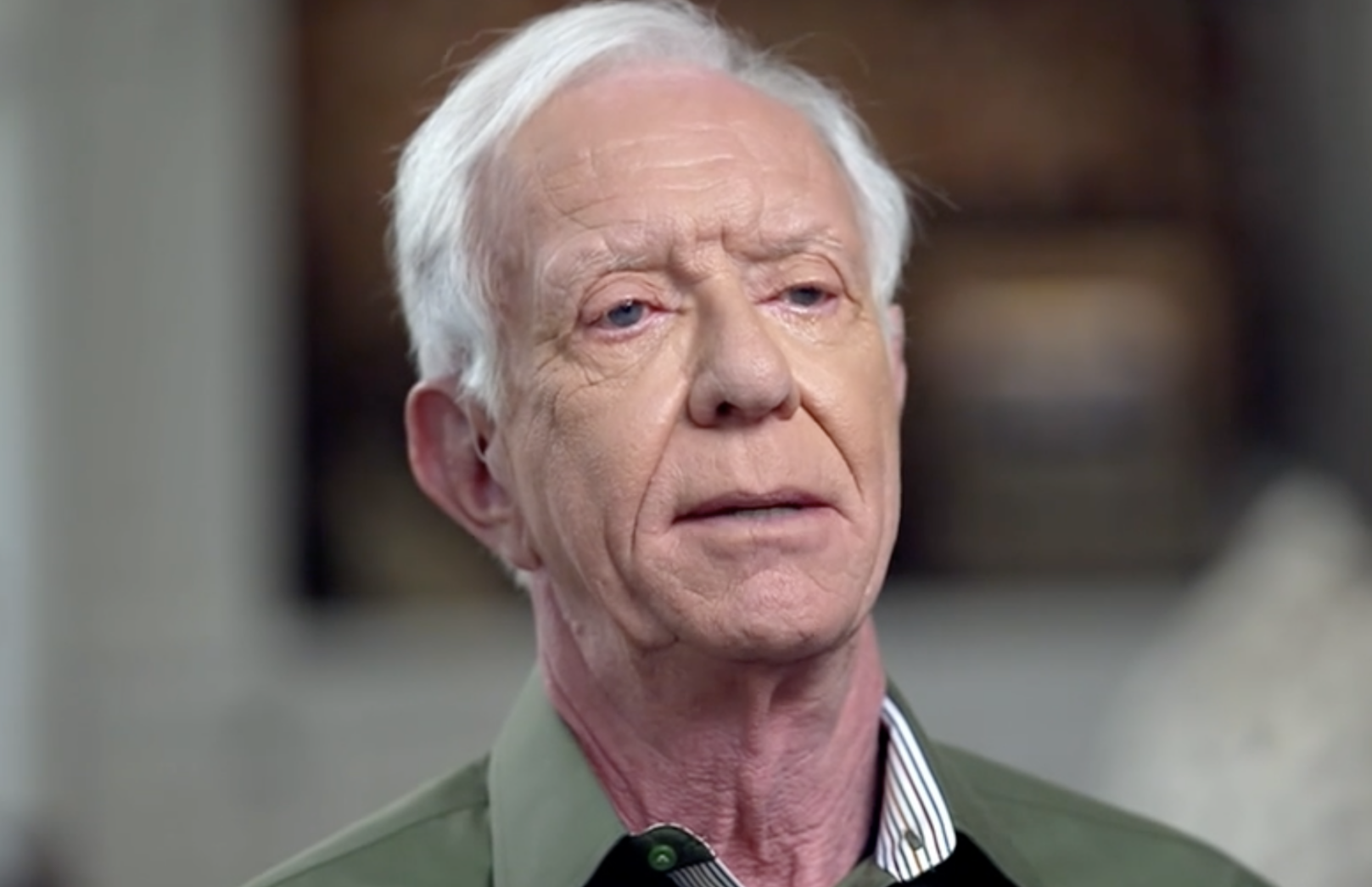
The famed former pilot currently receives a monthly infusion treatment, which is designed to slow the disease rather than stop it.
“What we’re trying to do is just slow the progression of the disease,” he explained. “It’s continuing to progress; it’s inevitable.”
While the uncertainty of the disease makes it harder to plan, the Sullenberger family told Good Morning America they’re just taking each day as it comes.
Sullenberger, who is set to be inducted into the National Aviation Hall of Fame on September 24, is not going down without a fight.
“… if this has to be my last flight, I’m going to go out using full afterburner,” he declared.