Exclusive
Ashley Park Says Friendship With ‘Emily in Paris’ Costar Lily Collins Made Her Realize Female Relationships Are ‘Vital’

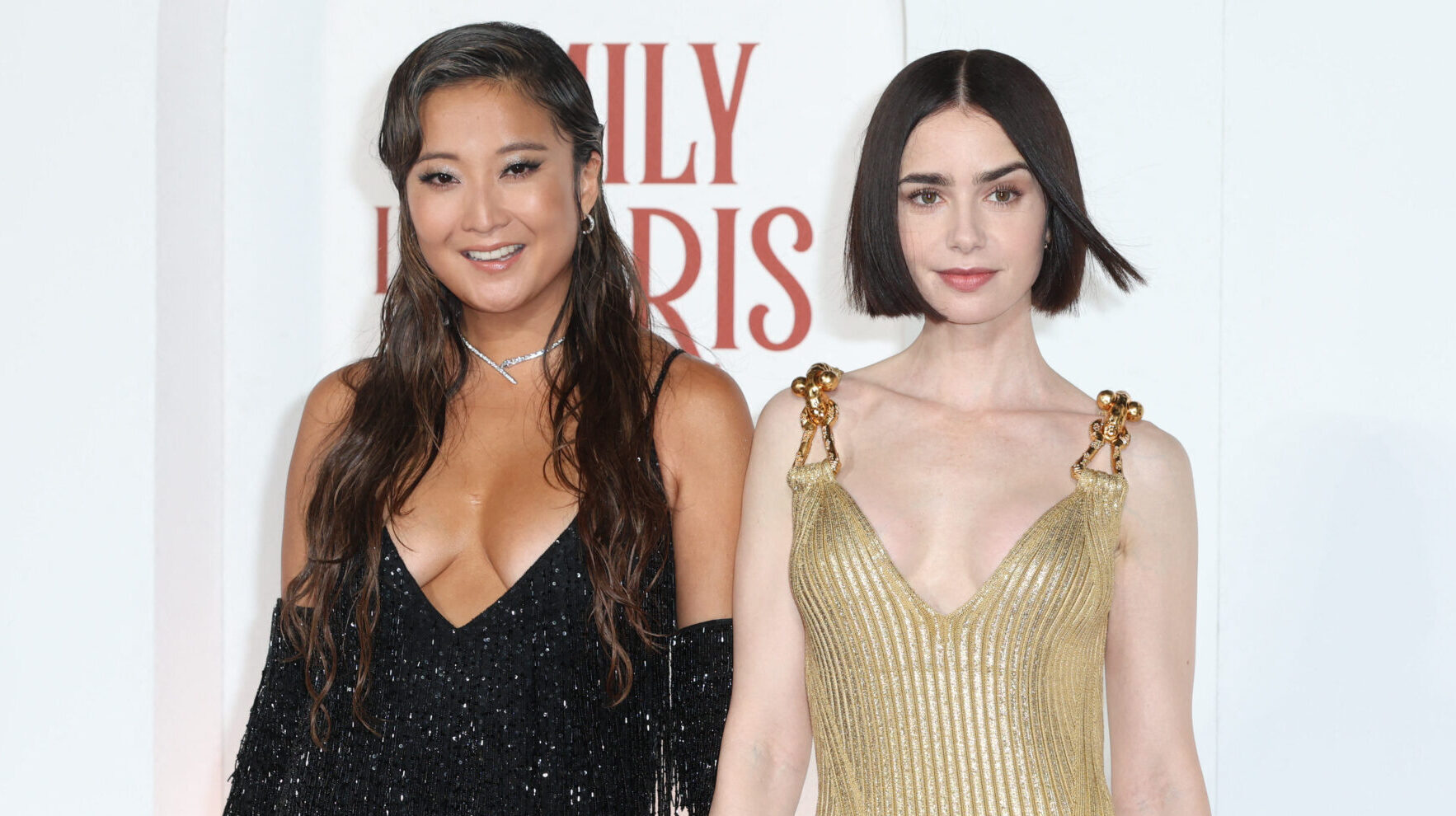
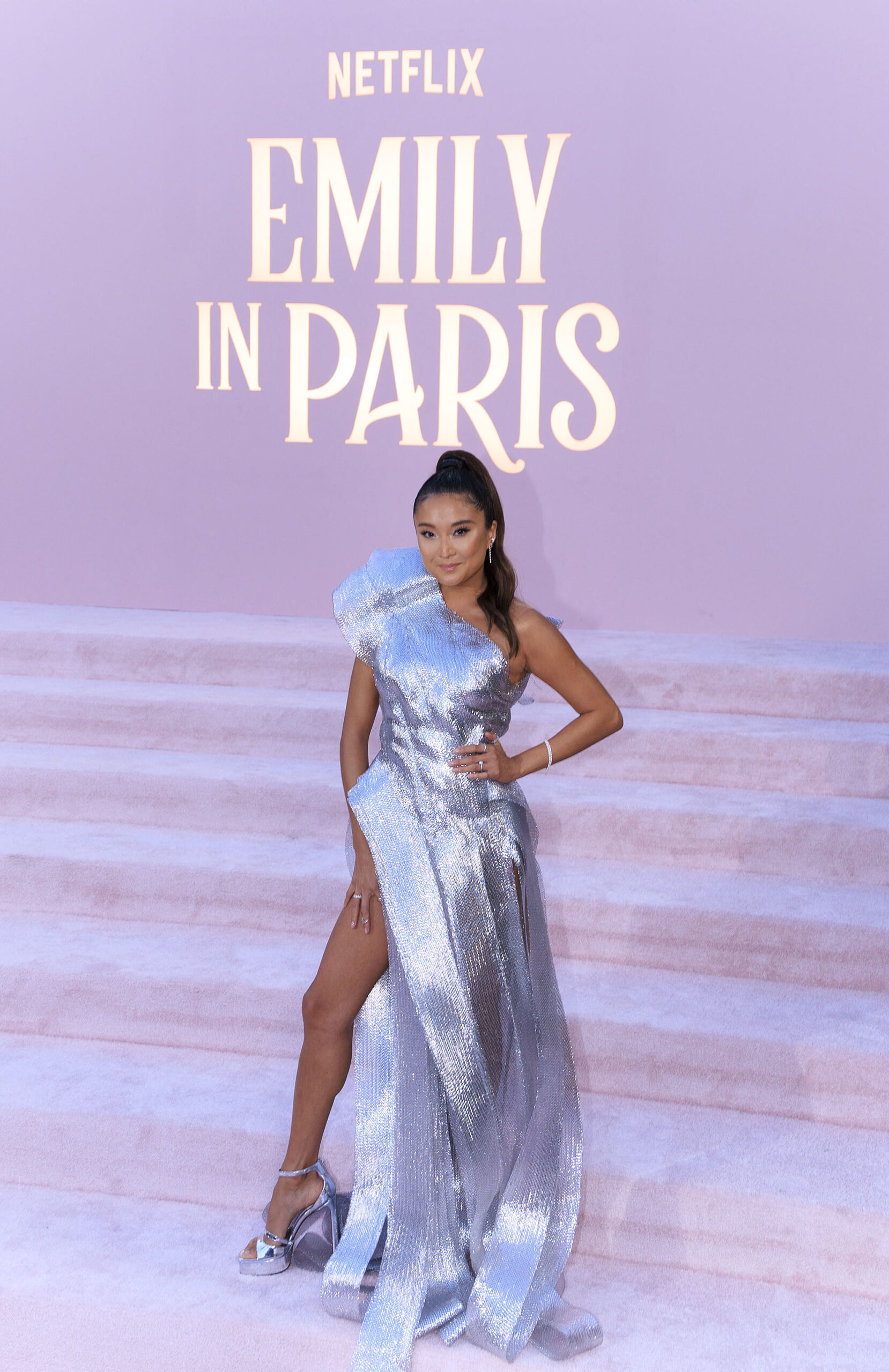
Ashley Park is ready to say goodbye to Emily in Paris.
The actress, 35, exclusively tells First For Women she recently arrived back in the United States from her time in Europe, where she wrapped filming the sixth and final season of the popular Netflix series.
Reflecting on the cast’s last time together in Paris, Park recalls, “It was a really full-circle day when you’re looking into the eyes of people you’ve known for seven years.”
After spending six seasons alongside costar Lily Collins, the two “were thinking about the first time we were doing a scene in that square seven years ago,” says Park. “It’s just wild.”
“It felt very joyful — not sad at all because it’s like when you graduate from [school],” she adds. “It was more about, ‘Wow, I can’t believe we’ve done this. We’ve accomplished this together.’ It felt very wholesome and very lovely.”
The Broadway alum, who recently partnered with global healthcare company Abbott to promote its We Give Blood initiative, also explains that her friendship with Collins is good for her overall wellbeing.
Strong female bonds like the one they have are “completely vital,” says Park. “I think neither of us would’ve survived the chapters of our life in the past seven years or thrived in the way that we did in other chapters. Literally every single day, we say, ‘Thank God for you.'”
Park says that she and Collins, 37, have formed somewhat of a “sisterhood,” which “really encourages me to surround myself with those kinds of people for the rest of my life.”
The Tony Award nominee was diagnosed with acute myelogenous leukemia during her sophomore year of high school when she was 15 years old and credits the treatment that saved her life to the generous people who donated blood.
“I would say a lot of my eight months of treatment was very much defined by having a bag of blood attached to me,” Park explains.
Now that Park has been cancer-free for years, she is emphasizing the importance of self-care while also showing others how they can help those in need.
“I’ve found more and more that I have nothing to give anybody else if I’m not [at] 100 percent myself,” she says. “Prioritizing your needs — listening to your own body, listening to your own thoughts — is vital in order for you to be there for other people.”
When it comes to showing up for others, Park explains, “A lot of young people right now in the world are like, ‘What can I do to tangibly help anybody else besides just posting something or donating money?'”
“All of those things are impactful and important, but the fact that I’m sitting here today [is] because my life was saved by people who donated their blood,” she says, pointing to the We Give Blood initiative, “and I would not be here otherwise.”