Health
5 Healthy Nutritional Tips You Can Learn From Olympic Winter Athletes


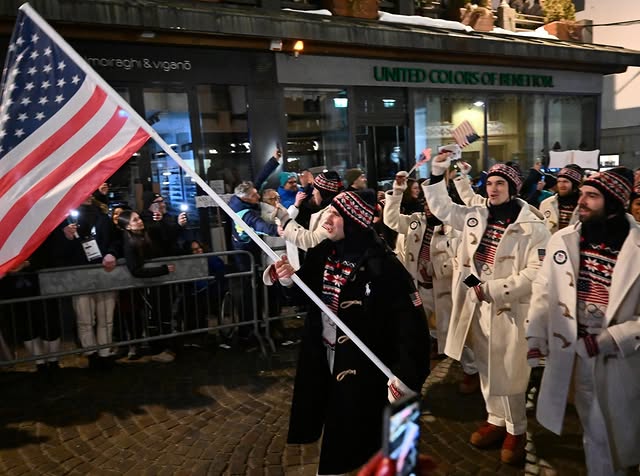
While most of us won’t be going for the gold anytime soon, we can still learn a lot about the healthy eating habits that have been honed over years of training by Team USA’s elite athletes.
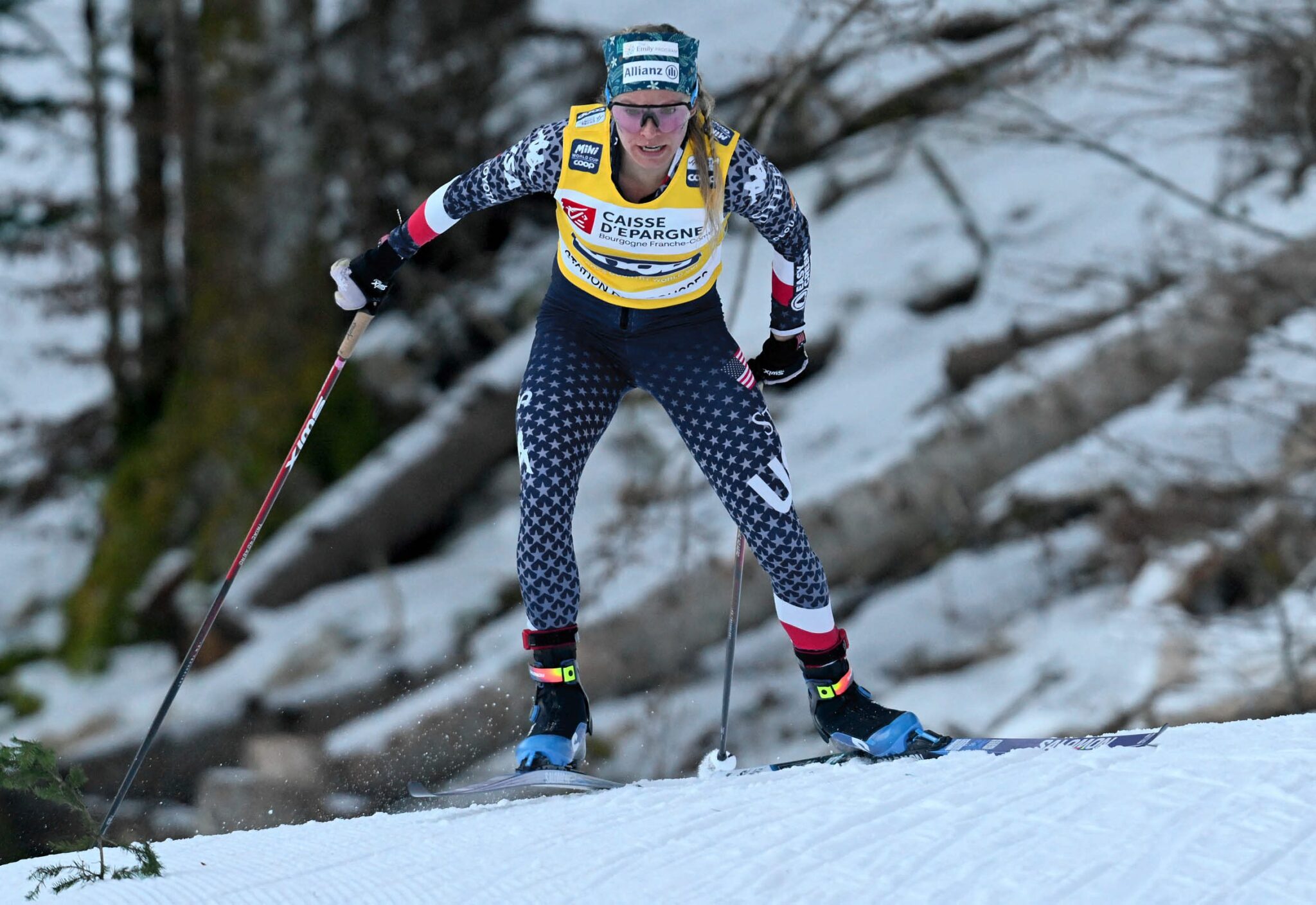
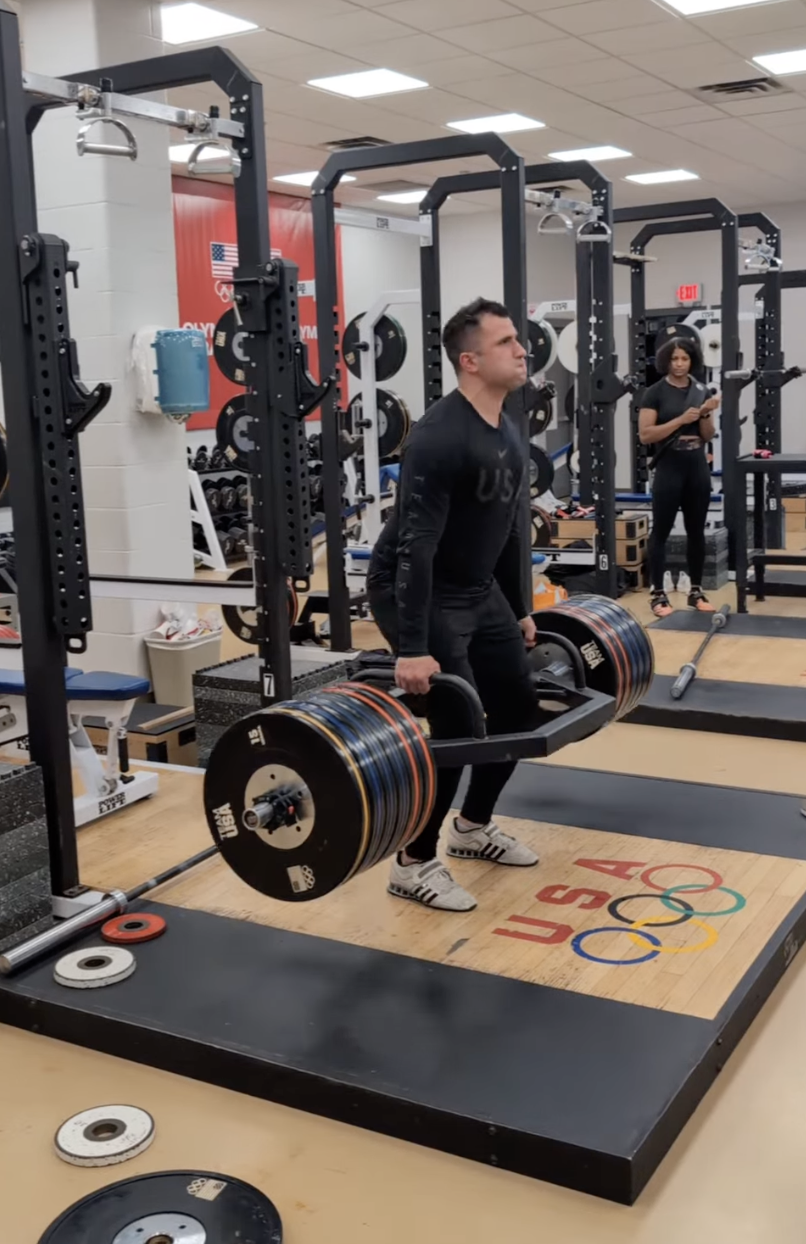
Olympic gold medal skier Jessie Diggins and bobsled driver Frank Del Duca, along with Team USA’s top dietitians, shared their best nutrition tips with Today.com in a story published on Friday, February 6 — and they’re surprisingly adaptable for amateur winter sports enthusiasts as well.
Think of Food as Fuel
“Day-to-day fueling has been really important to my longevity,” Diggins told Today.com. “I don’t focus on fueling my body only on race days. I consciously think about it every day, whether I am training, recovering or racing…. Food isn’t just calories — it’s a way to nourish and take care of your body.”
Consistency is key, United States Olympic and Paralympic Committee (USOPC) dietician Maggie McCrudden echoed. “Athletes who make nutrition a daily priority tend to thrive,” McGrudden told the outlet, “while those looking for quick fixes often struggle because the benefits of good nutrition build over time, not overnight.”
Always Have a Go-To Snack
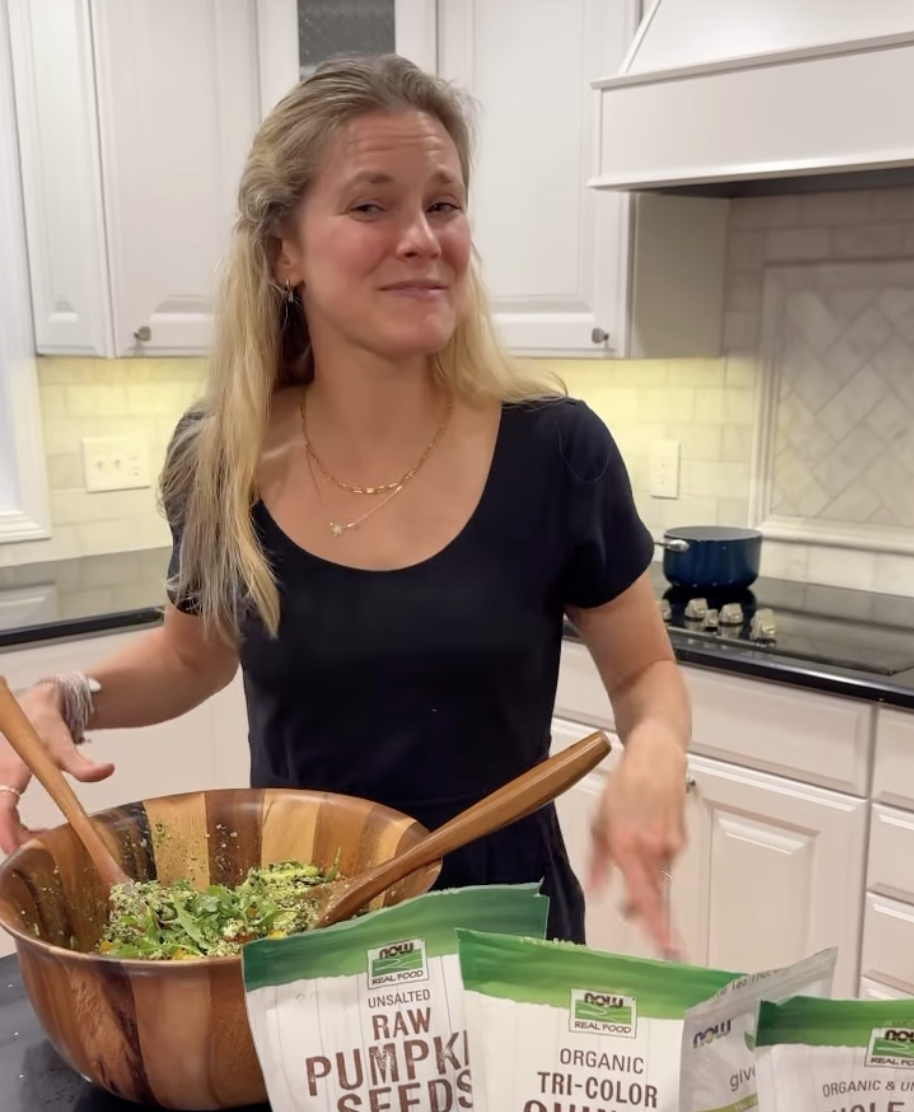
“My rule is to always have snacks with me so I’m supplying my body with energy at all times,” said Diggins, who often opts for nuts and seeds.
Del Duca chooses similar snacks. “Trail mixes, like Nuts About Berries, is a go-to of mine,” he said. “It’s convenient to have in my bag, and I can snack on it while on the road, in the airport or at the track.”
Good Nutrition Keeps Your Mind Sharp, Too
“If I’m under-fueled, I can be lethargic and have brain fog,” Del Duca, who was the flag bearer at the 2026 Milan Cortina Olympic Games opening ceremony, told Today.com. “Nutrition plays a key role in mental clarity on race days.”
Stay Hydrated
It should go without saying, but hydration is critical — especially in the winter. “In cold conditions, you can’t rely on thirst the way you might in warmer weather,” Diggins told the outlet. “I make sure I’m sipping throughout the day and drinking every 15 to 20 minutes during training, whether I feel thirsty or not.”
USOPC winter sport dietician Carrie Aprik pointed out what anyone heading off to a ski vacation should keep in mind. “A main overlap between cold, altitude, travel and jet lag is hydration,” she told Today.com. “Staying hydrated impacts performance, recovery and resilience under stress.”
Plan Ahead
Prepping meals and snacks may be easy at home, but travel can severely disrupt your routine.
“Upper respiratory and gastrointestinal illness and stress-induced changes in appetite can be common,” Aprik told Today.com.
The USOPC dietitians “pack and ship familiar, tried-and-tested foods and products that athletes already know are safe, effective and enjoyable for them,” McCrudden explained. “This reduces exposure to unfamiliar foods during competition, helps limit gastrointestinal risk, and removes an added layer of stress.”
“Athletes who practice consistent, intentional fueling habits but also possess the ability to be flexible with their fueling find themselves the most resilient in the face of challenges like illness, injury, travel difficulties and schedule changes,” concluded Aprik.